From the seed to the shelf
It's not a slogan, but a commitment and a guarantee:
because we know everything about our products and our three supply chains.
because we know everything about our products and our three supply chains.
The configuration of the Casalasco Group supply chain with the member farms of the Casalasco del Pomodoro Consortium, which play the dual role of owning partners and suppliers of the raw material, allows for a high level of integration between the agricultural and transformation phases, which is unique in the Italian landscape.

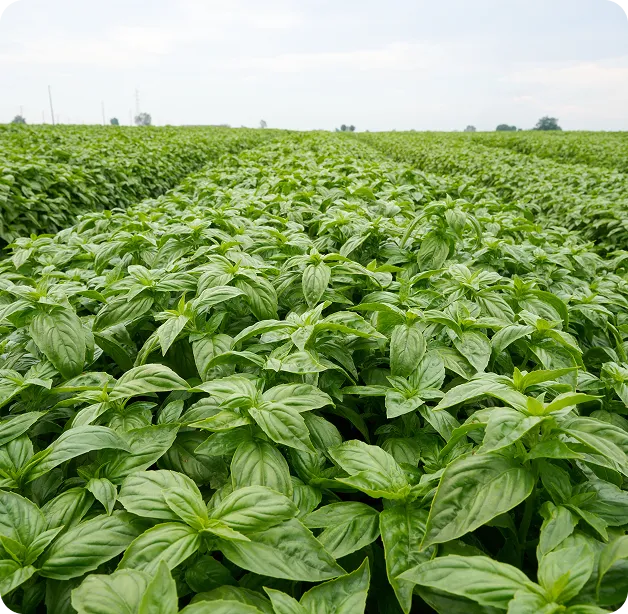
We internally manage the entire tomato production cycle, (but also of basil and peas), from the cultivation entrusted to our farmers to the transformation, which takes place in our production plants, allowing us to offer partners and consumers, a finished product of very high quality, controlled
and traced since planting.
All our tomatoes (such as basil and peas) are grown in Northern Italy, in regions traditionally suited to this cultivation by the farmers of the Casalasco Tomato Consortium. These are territories that guarantee a wealth of knowledge and cultural characteristics that translate into product quality and availability.
Geographic diversification ensures optimal risk management, from the point of view of seasonal and meteorological trends. The supply chain management rules add fundamental guarantees to the quality of the product, such as respect for human rights and environmental protection.

Committs the farm to operate in accordance with the standards required by the Casalasco Tomato Consortium
The direct member and member cooperatives commit to cultivating the agreed hectares with tomatoes and to delivering all the product to Casalasco, which guarantees its collection
Committs companies to respect human rights, workers and regulations relating to work in agriculture
Defines the required quality parameters
and the valuation criteria
Our agronomic department oversees all phases of: planting, transplanting, cultivation and harvesting, guaranteeing a natural, 100% Italian product, certified for the use of non-GMO seeds. All farms that intend to supply raw materials to Casalasco are certified according to one of these agricultural standards: GLOBALG.A.P., GLOBALG.A.P. GRASP, ISCC+, FSA. We also adhere to the United Nations Global Compact protocol, which since 2013 has established 10 universally accepted principles on human rights, labor, environment and anti-corruption.

.webp)
The management of the product transformation campaign is managed in close synergy between the Casalasco del Pomodoro Consortium and the Casalasco Group. The raw material cultivated by our farmers
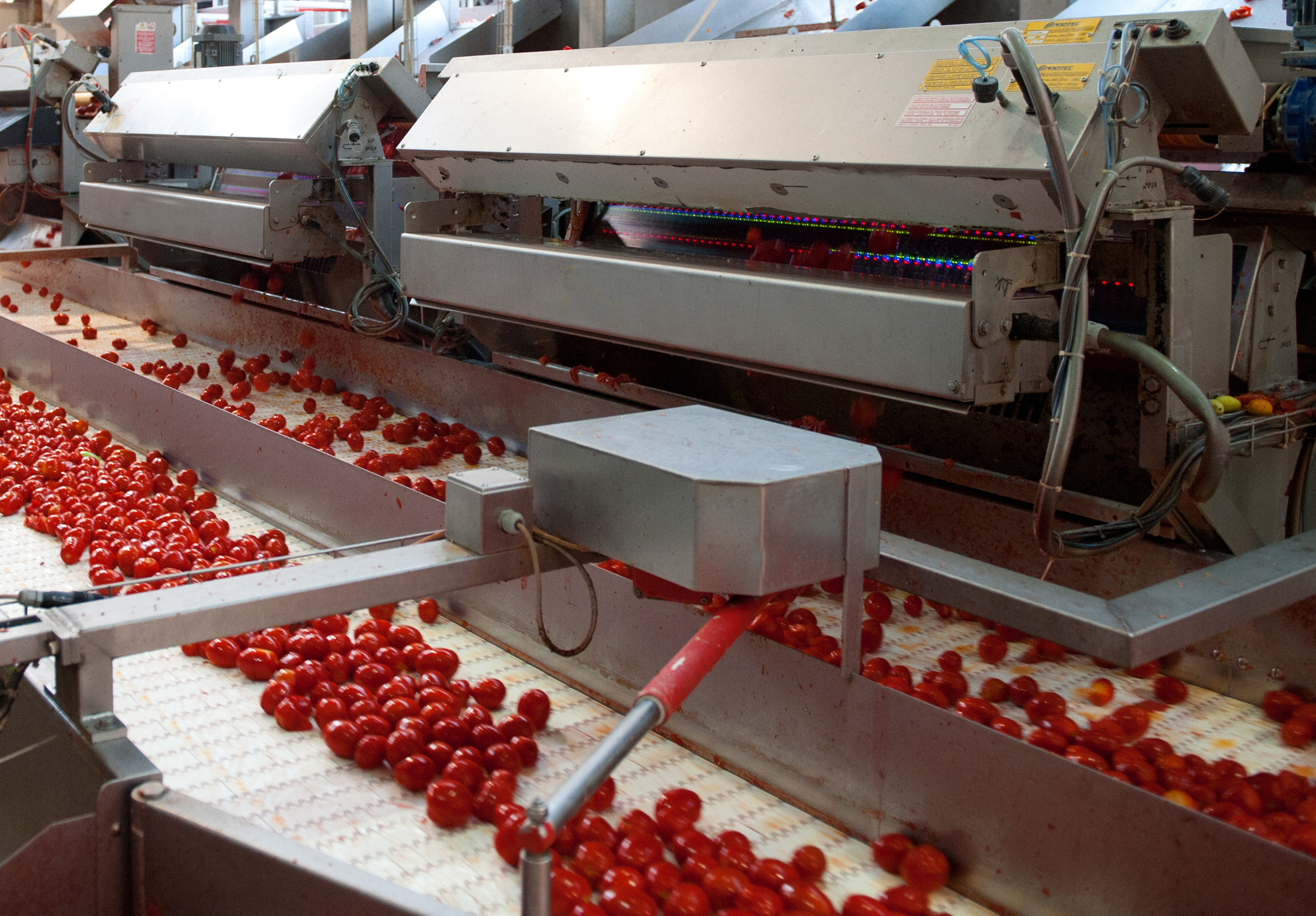
It is collected mechanically, after which it is delivered within a few minutes to the Group's factories, where it is processed while still fresh.
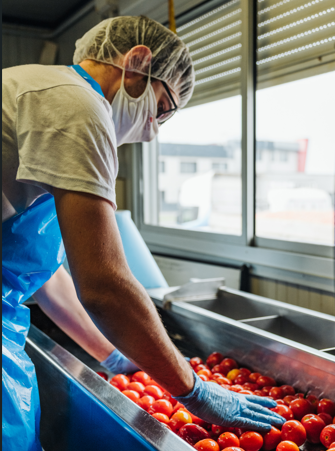
The raw material arrives at the plant from our farmers' fields and is registered. Chemical, physical and qualitative analyses are carried out on each delivery to ensure compliance with the acceptability parameters.
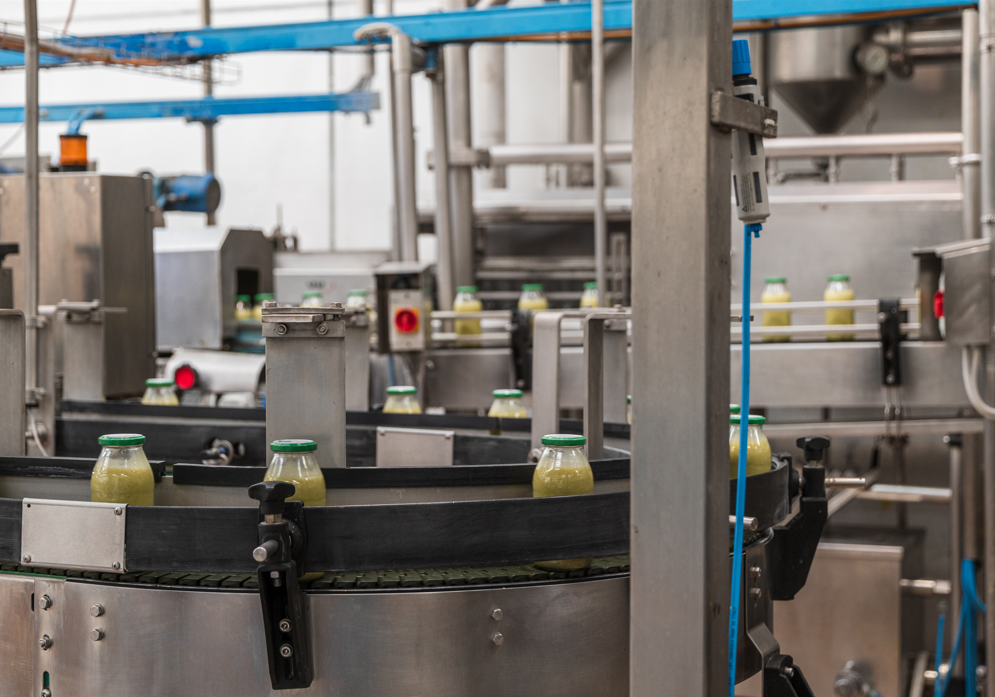
The raw material is processed in plants suitable for different types of product. All process and product parameters are recorded to ensure compliance with food safety and technical specifications.
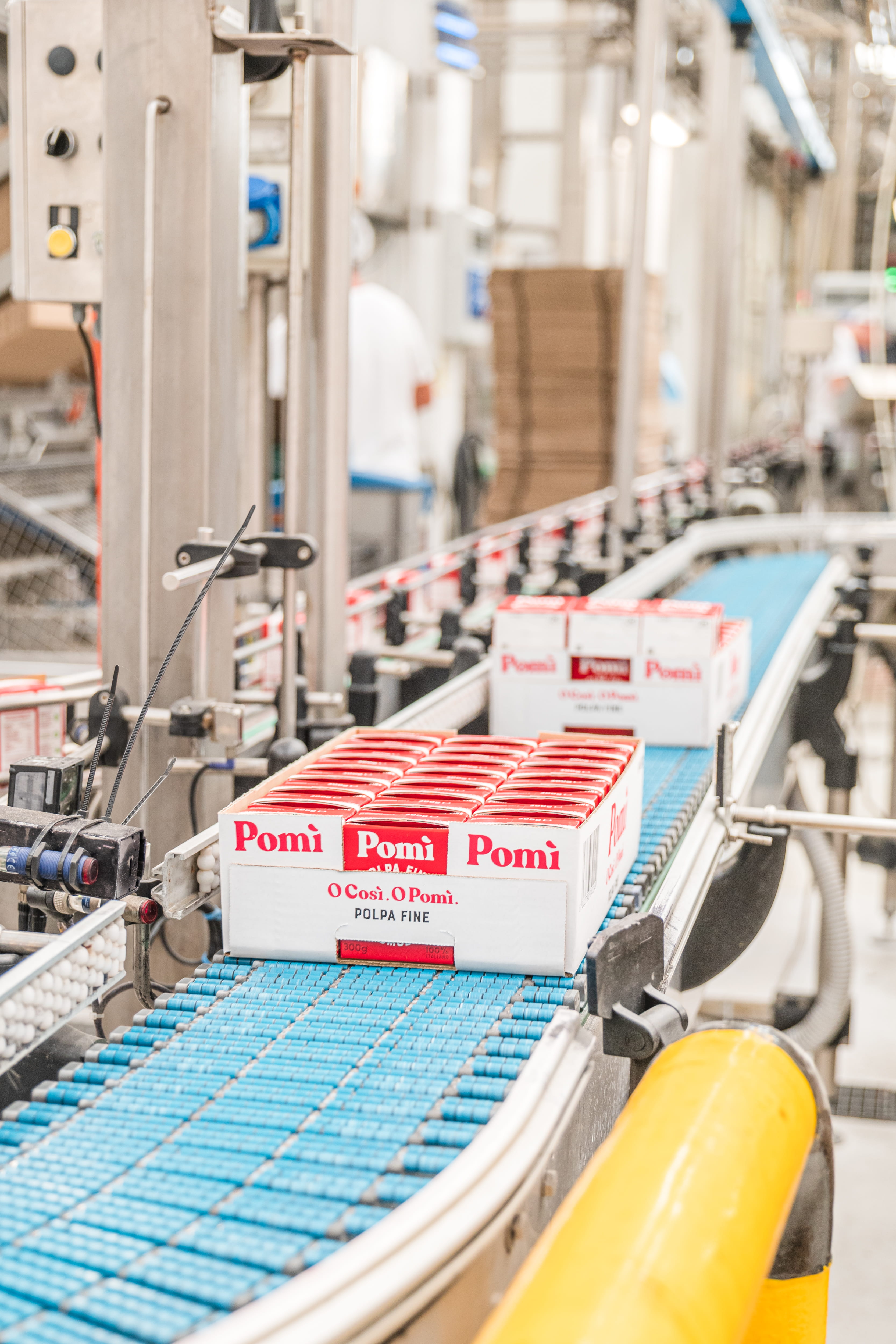
The packaging takes place in primary packages of different materials
and format, for industry, catering and retail. They come
The sampling and analysis of the products were also carried out on
basis of risk analysis, in an internal or external laboratory.
We have cutting-edge technologies to package your products in different formats, so as to meet your requests
of each customer.
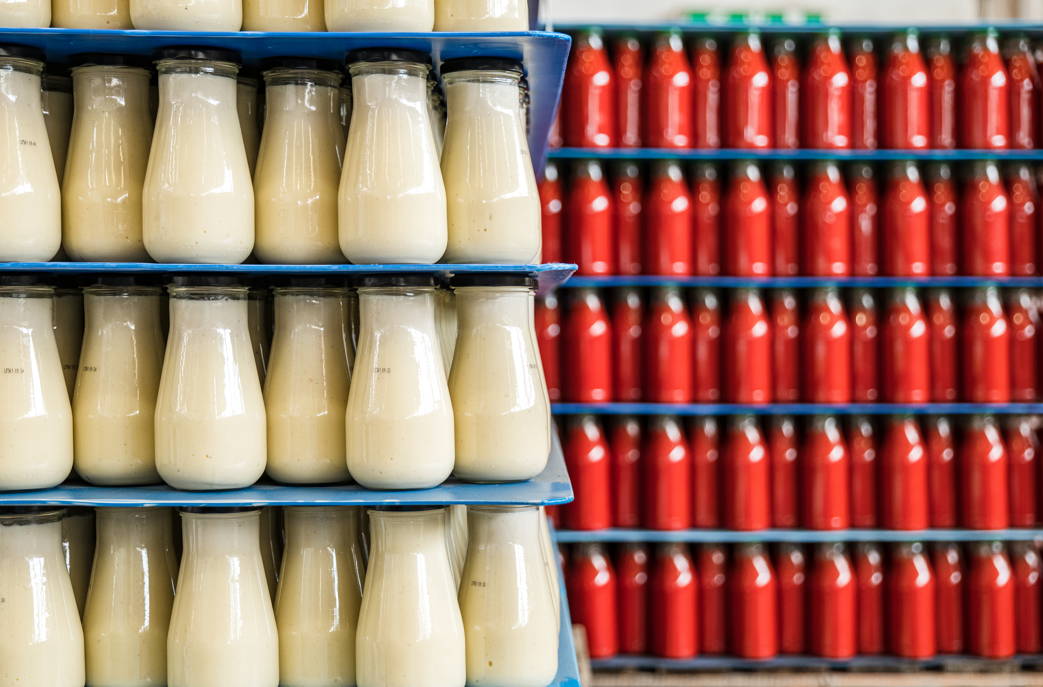
Once packaged, the products are stored in our warehouses and then shipped to the Group's logistics platforms
In the periods between one collection campaign and another,
tomato and basil semi-finished products are used for the preparation of sauces, sauces and condiments, together with other raw materials. Cream soups, soups and broths are also produced.

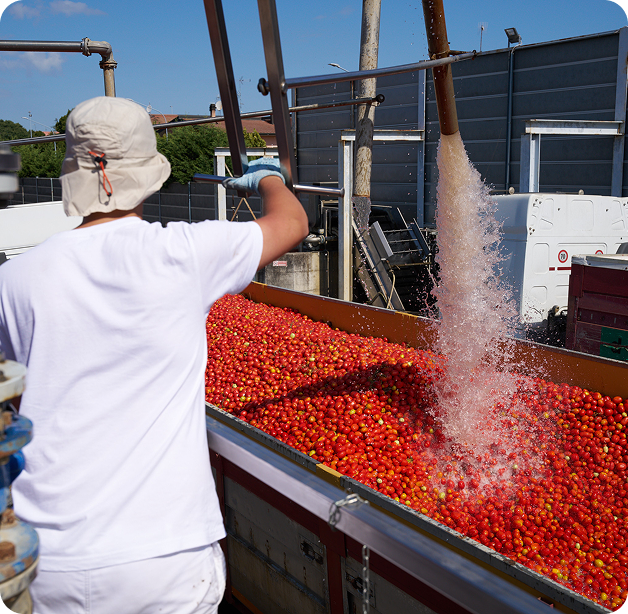
Our supply chain is traced at every stage. To meet regulations and requirements for quality, food safety, transparency and product reliability, we manage a system extended to raw materials, ingredients, packaging, process parameters, laboratory controls and logistics aspects, aimed at:
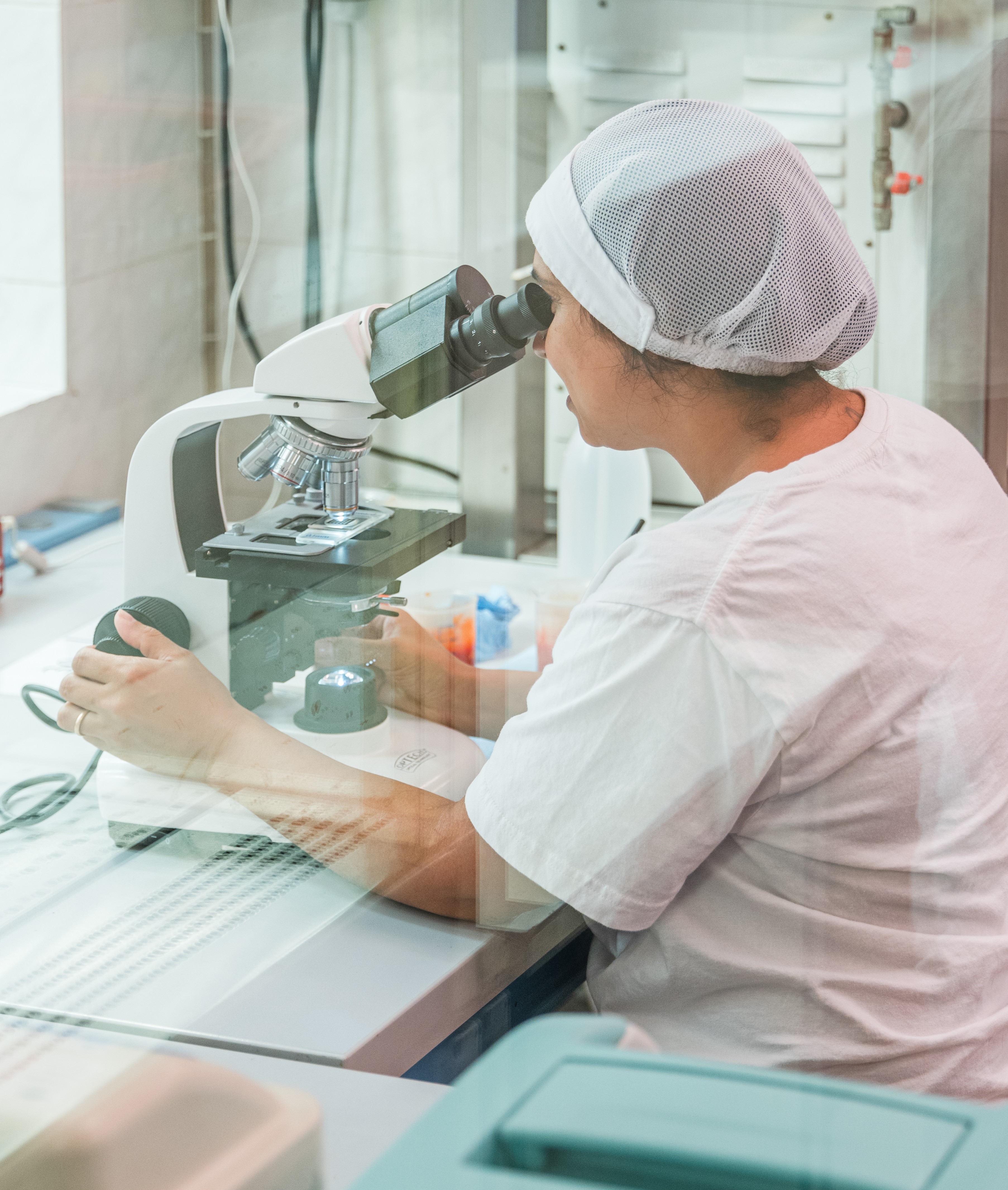
We pay the utmost attention to verifying the quality and safety of our products and we do so through:
BRCGS - Standard British Retail Consortium (GFSI)
IFS - International Food Standard (GFSI)
Disciplinary of the Emilia Romagna Region that guarantees the production of QC brand products (LR28/99).
Gariga plant: peas and borlotti beans
Global GAP
Global GRASP
Compliance with Regulation 848/2018/EU for Organic Production
KRAV - certification for organic products sold in Sweden
UNI EN ISO 22005:2008 Traceability system in the agri-food supply chains
Raw materials: 100% Italian tomato
Controlled supply chain for the use of non-GMO seeds
Halal certification for tomato processing
Kosher certification for tomato processing
UNI EN ISO 14001:2015 - Environmental management system
Regulation EC 2017/1505 (EMAS)
RSPO (Roundtable on Sustainable Palm Oil) certification
Sedex registration - and auditing in accordance with the protocol
SMETA for Farms and Production Sites
GFCO - Gluten-Free Certification Organization (US)
NON-GMO - non gmo project verified (US)
ISCC plus standard - International Sustainability & Carbon Certification Brazil Supply chain
Our tomato is so good because nothing is left to chance, but everything is taken care of down to the smallest detail. From seed to table. Our agronomic staff supports our farmers at every stage, so as to have fruits with the highest quality standards.
The assistance starts even before entering the field:
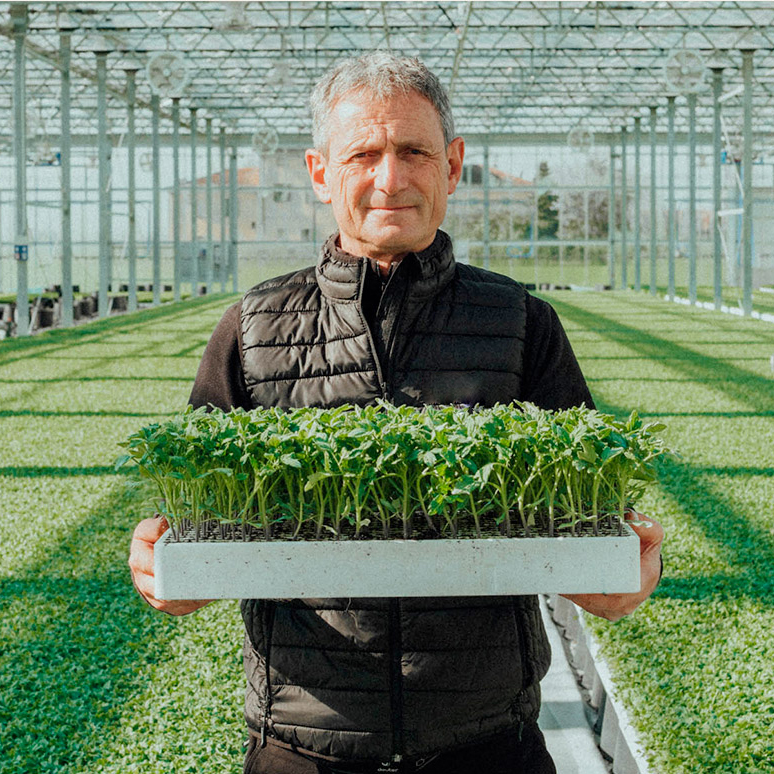
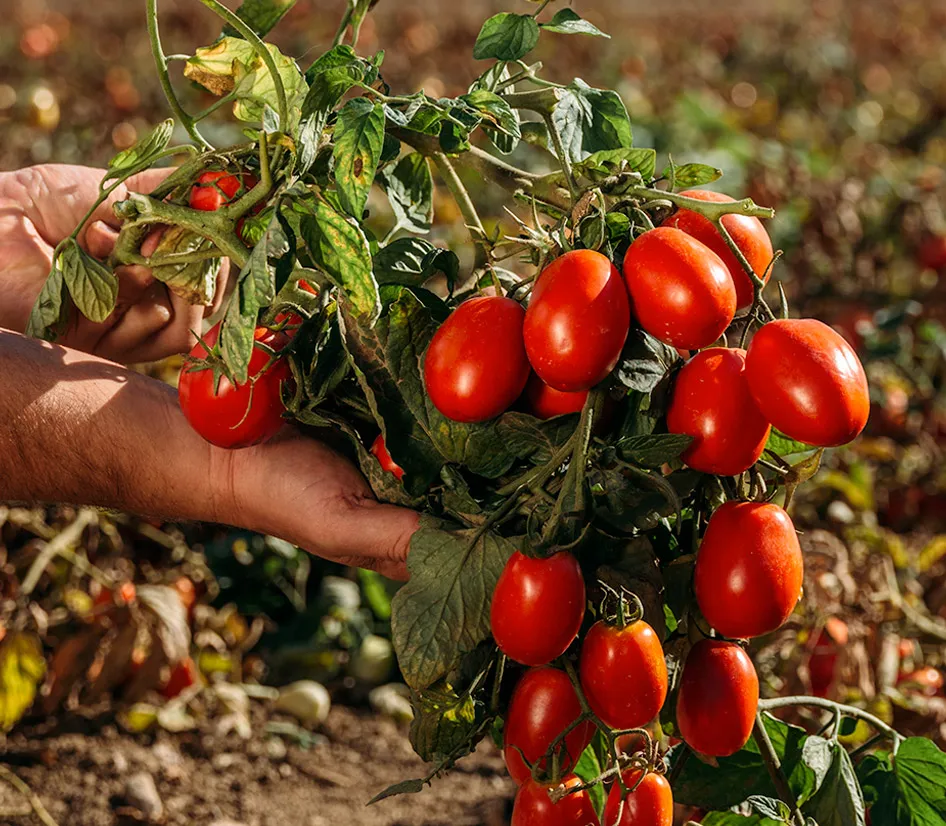
We work alongside seed companies and select only the best tomato varieties in terms of productivity, plant health, sugar content, color and texture.

We preserve soil fertility, aware that land is our first resource. The constant training and technical assistance to our farmers and the research of our Casalasco Agricola aim to keep our countryside fertile and ecosystems intact, thinking about future generations. This includes the constant search for more effective and sustainable cultivation techniques and for measures to combat climate change.
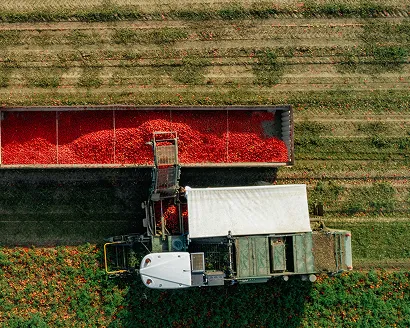
The tomato harvest campaign from July to is the highlight of the year of agricultural but also industrial work, and takes place with the careful planning of our Agronomic Department. The effective organization of the campaign is vital to ensure that the tomato berry harvest takes place promptly and quickly.
A few steps separate the fresh tomato from the packaged product.
These are very important steps:
It all starts here
The product delivered from the field is checked several times to verify its quality.
Cleaning and selection
The tomatoes are washed and subjected to an additional sorting, to remove those that are damaged or not fully ripe.
The tomato in its essence
To produce the pulp, the tomatoes are simply peeled and cold pulped, removing the seeds.
The past, point by point
For the sauce, the tomatoes are shredded to a finer consistency and scalded for a short time at a very high temperature, before bottling them with a touch of salt.
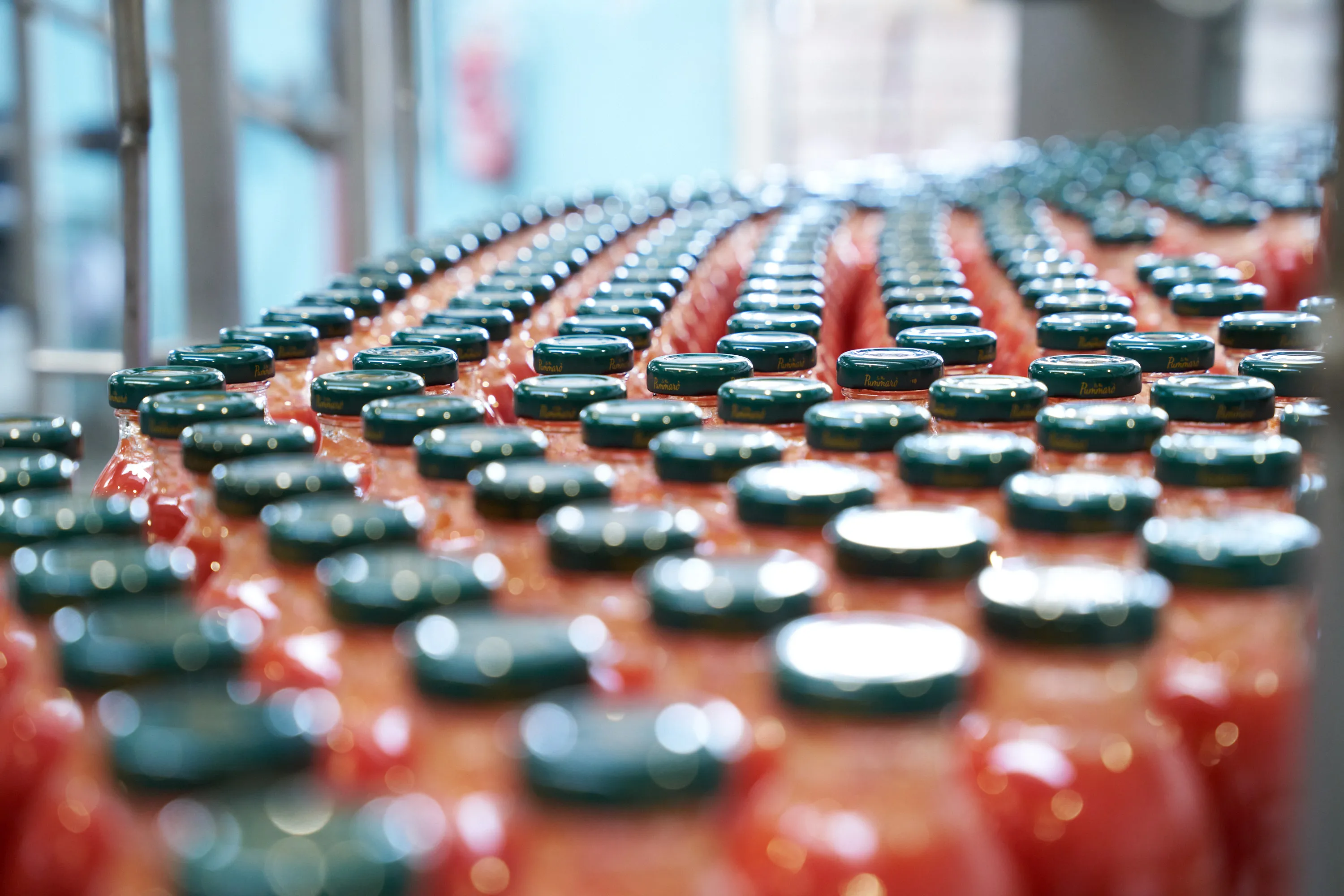
The last step of the processing is the packaging of the product. Thanks to our 70 packaging lines, we can count on a wide range of possibilities and on tailor-made solutions for our brands as well as for our co-manufacturer and private label partners. Once packaged, the products are stored and then sent to our logistics platforms for distribution. For our packaging, we choose solutions that combine maximum performance with environmental sustainability and easy recycling.
Our products are controlled throughout the production chain, with cross-analysis on soil, seeds and genetics, and with a series of sample checks throughout the transformation phase. Over time, Casalasco has invested in the development of a system of cutting-edge laboratories that carry out process, environmental and finished product analyses: today we have a network of internal and external laboratories. The internal, central and line laboratories carry out chemical-physical analyses and then other laboratories, one for each production site, carry out microbiological analyses.

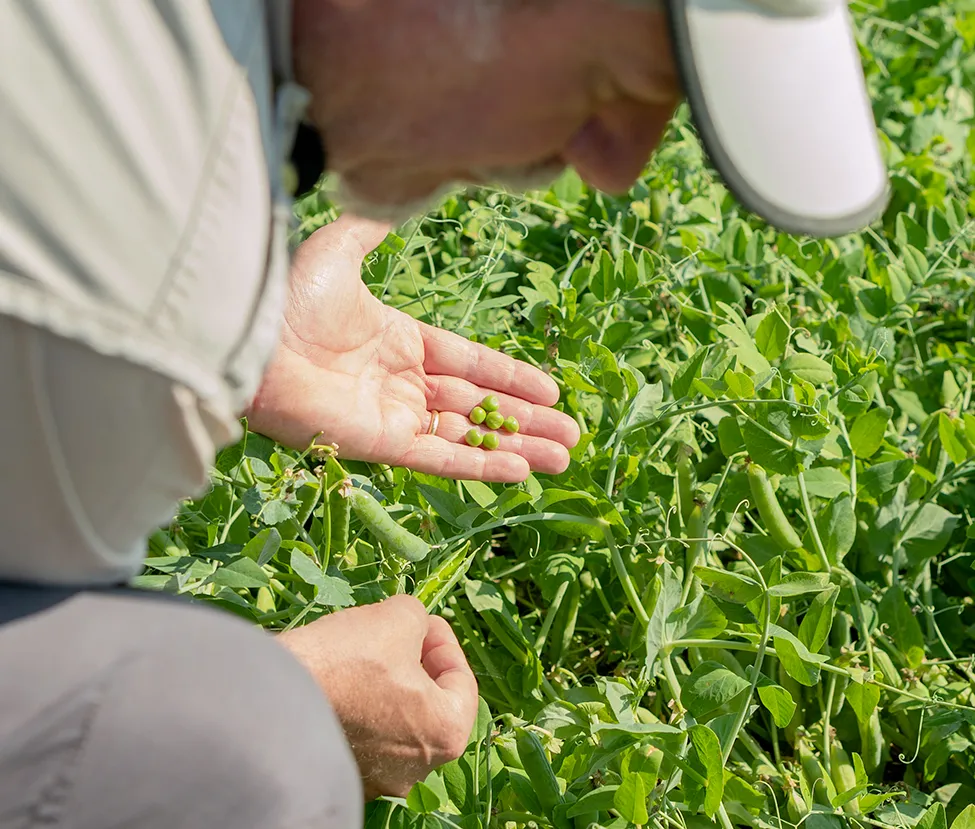
Our peas are sweet, tender and juicy because they come from an integrated supply chain controlled from seed to table. They are cultivated by our farmers, with the constant support of our agronomic staff, in the provinces of Cremona, Brescia, Mantua, Piacenza, Pavia and Alessandria and processed fresh a few hours after harvest in our plant in Gariga (PC).