
Casalasco P.A.R.CO2
Our Regenerative Agriculture Program
Decarbonization and sustainable use of resources
Decarbonization and sustainable use of resources
We cultivate responsibly to regenerate the soil, protect biodiversity and combat climate change, ethically producing healthy and genuine food, giving back to the soil what it gives us every day. This is why we implement regenerative agriculture practices, use innovative technologies to reduce waste and carry out initiatives for decarbonization.
Crop rotation (tomato, basil, peas)
We alternate complementary crops to improve natural soil fertility, reduce plant diseases and limit the use of chemical inputs. Legumes fix nitrogen, while vegetable and aromatic vegetables optimize structure and biodiversity. A virtuous cycle that regenerates and stabilizes productivity over time

Sovesci
We cultivate and reintegrate green manure species to increase organic matter and microbial activity. This practice improves structure, water retention and nutrient availability, reducing the need for external fertilizers.


Straw burying
We reuse crop residues to return carbon to the soil and promote microbial life. The burying of straw improves the structure and reduces erosion, contributing to the sequestration of CO₂.
Plantings
We introduce hedges, trees and associations to increase biodiversity and resilience. Plantations create useful habitats, protect the soil and promote natural cycles of pollination and biological control
.png)
%20(1).png)
Conservative work
We reduce mechanical processing to preserve soil structure and life. Less disturbance means more carbon stored, less erosion and better water cycles. An approach that maintains fertility in the long term.
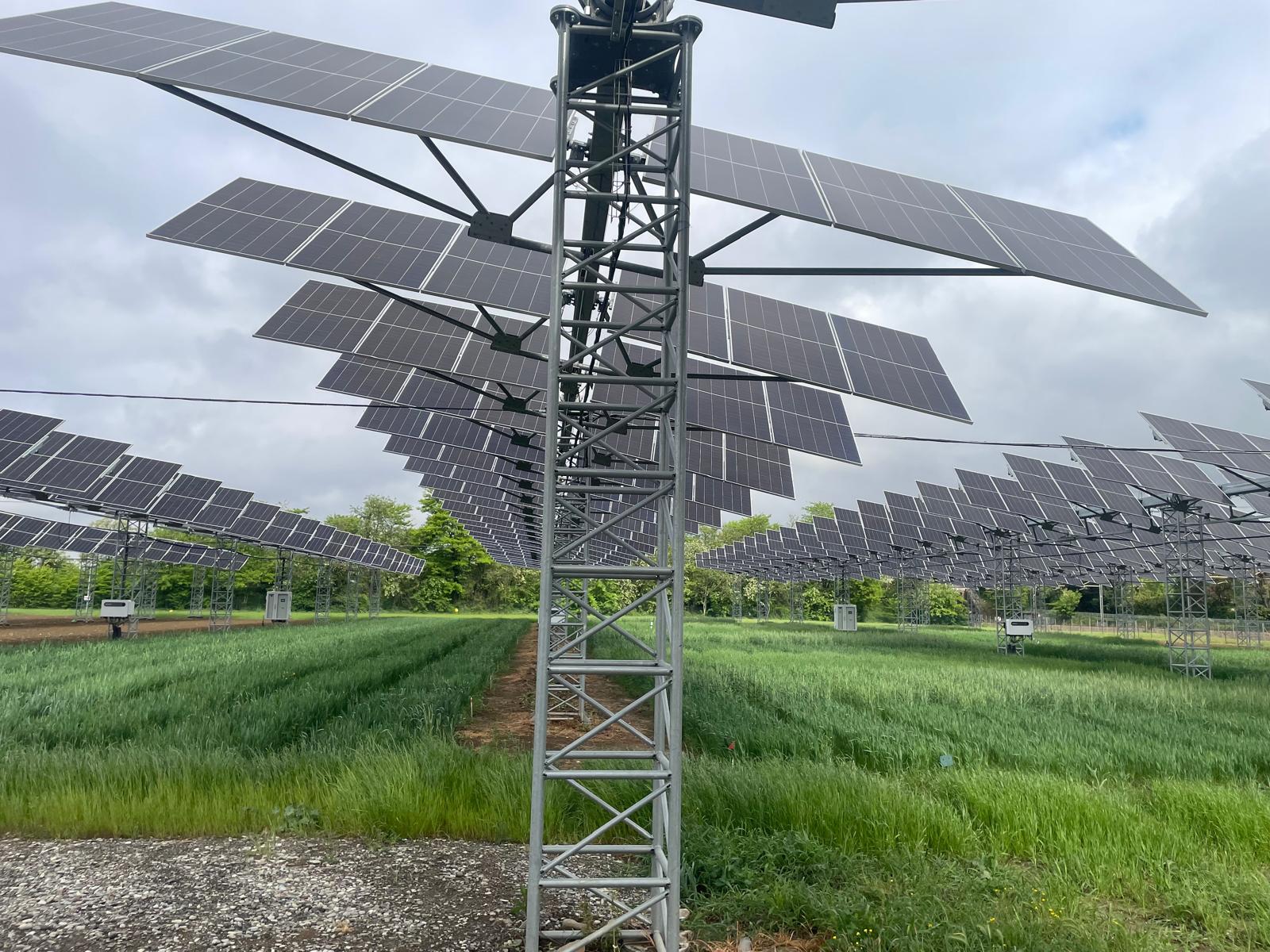
Agrivoltaic
We integrate agricultural production and renewable energy, optimizing land use. Near the Fontanellato Innovation Center, our agrivoltaic park for the cultivation of basil or tomatoes comes to life. The panels modulate shading and microclimate, reducing evaporation and crop stress, while generating clean energy. The project is in collaboration with the Catholic University of the Sacred Heart of Piacenza.

).png)